How European Clubs Build Long-Term Player Value Through Strategic Development
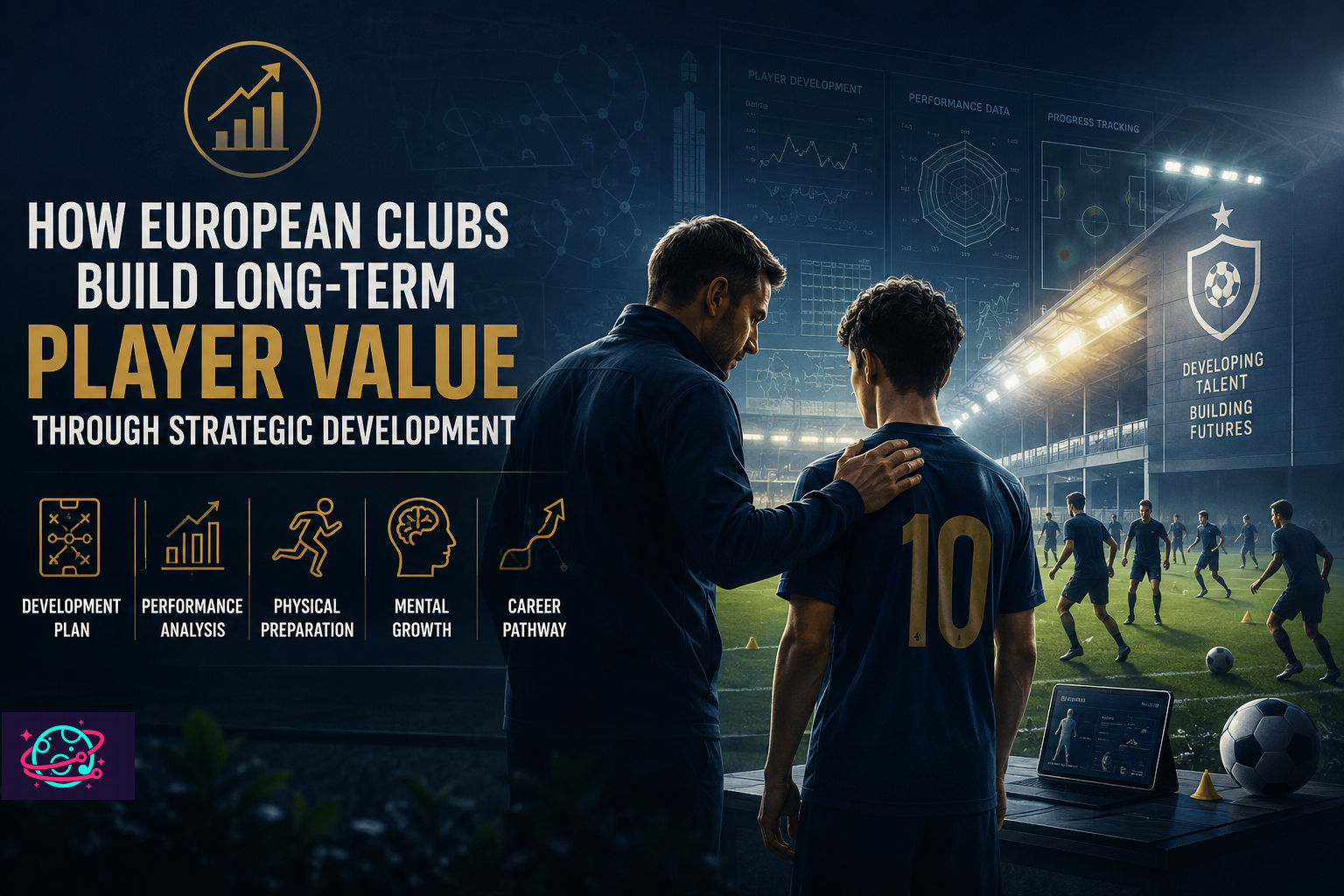
Modern football is no longer defined solely by identifying talented players. The clubs that consistently succeed are those that understand how to develop talent through a structured, long-term strategy. Across Europe, successful organizations have shifted their focus from simply recruiting promising footballers to creating complete development environments that maximize each player's potential.
Long-term player value is built through a combination of technical improvement, tactical education, physical development, psychological support, and carefully planned career progression. Every stage of a player's journey is managed with clear objectives rather than short-term expectations.
1. Consistent Methodology & Academy Integration The development process often begins long before a player reaches the first team. European academies invest heavily in creating consistent training methodologies that align with the club's playing philosophy. Young players are introduced to tactical concepts, positional responsibilities, and decision-making principles that remain consistent as they progress through different age groups.
2. Individual Development Plans (IDPs) Individual Development Plans (IDPs) have become an essential part of this process. Rather than applying the same program to every player, clubs establish personalized objectives based on:
- Strengths and weaknesses
- Physical maturity
- Long-term potential
Coaches, analysts, fitness staff, and performance specialists regularly review progress and adjust development goals throughout the season.
3. Data & Performance Analysis Performance analysis plays a significant role in modern player development. Video analysis, GPS tracking, technical data, and match statistics provide valuable insights that support objective decision-making. Instead of relying only on subjective observations, clubs combine quantitative and qualitative information to understand how players perform under different tactical and competitive conditions.
4. Holistic Preparation: Physical & Psychological
- Physical Preparation: Strength, mobility, injury prevention, recovery protocols, and workload management are carefully monitored to reduce injury risk while supporting long-term athletic development. The objective is to extend the player's ability to perform consistently over many seasons.
- Psychological Development: Confidence, resilience, discipline, leadership, communication, and emotional control are qualities that often separate elite professionals from talented prospects. Many European clubs now integrate sports physicists and mental performance specialists to support athletes both on and off the pitch.
5. Career Planning & Loan Management Career planning also contributes significantly to long-term player value. Successful clubs understand that development does not always occur in the first team immediately. Carefully selected loan opportunities, competitive playing time, and gradual increases in responsibility often provide a more effective pathway than rushing players into environments for which they are not yet prepared.
6. The Financial and Cultural Impact The financial impact of structured development is substantial. A player who improves steadily over several seasons becomes significantly more valuable than one who experiences inconsistent progression. Clubs that consistently develop players internally reduce recruitment costs while creating valuable transfer assets that can generate significant future revenue. Importantly, long-term value extends beyond transfer fees. Well-developed players provide:
- Tactical flexibility
- Squad stability
- Leadership and cultural continuity
They become role models for younger academy players and strengthen the overall football identity of the organization.
Conclusion
European football continues to demonstrate that sustainable success is built on intelligent development rather than short-term decisions. Clubs that invest in education, performance science, individualized coaching, and structured career planning create environments where both players and organizations grow together.
Ultimately, strategic player development is not simply about producing better footballers. It is about building long-lasting value that benefits sporting performance, financial sustainability, and the future competitiveness of the entire club. The strongest football organizations understand that developing people is just as important as developing players.