Africa to Europe: Understanding the Modern Player Development Pathway
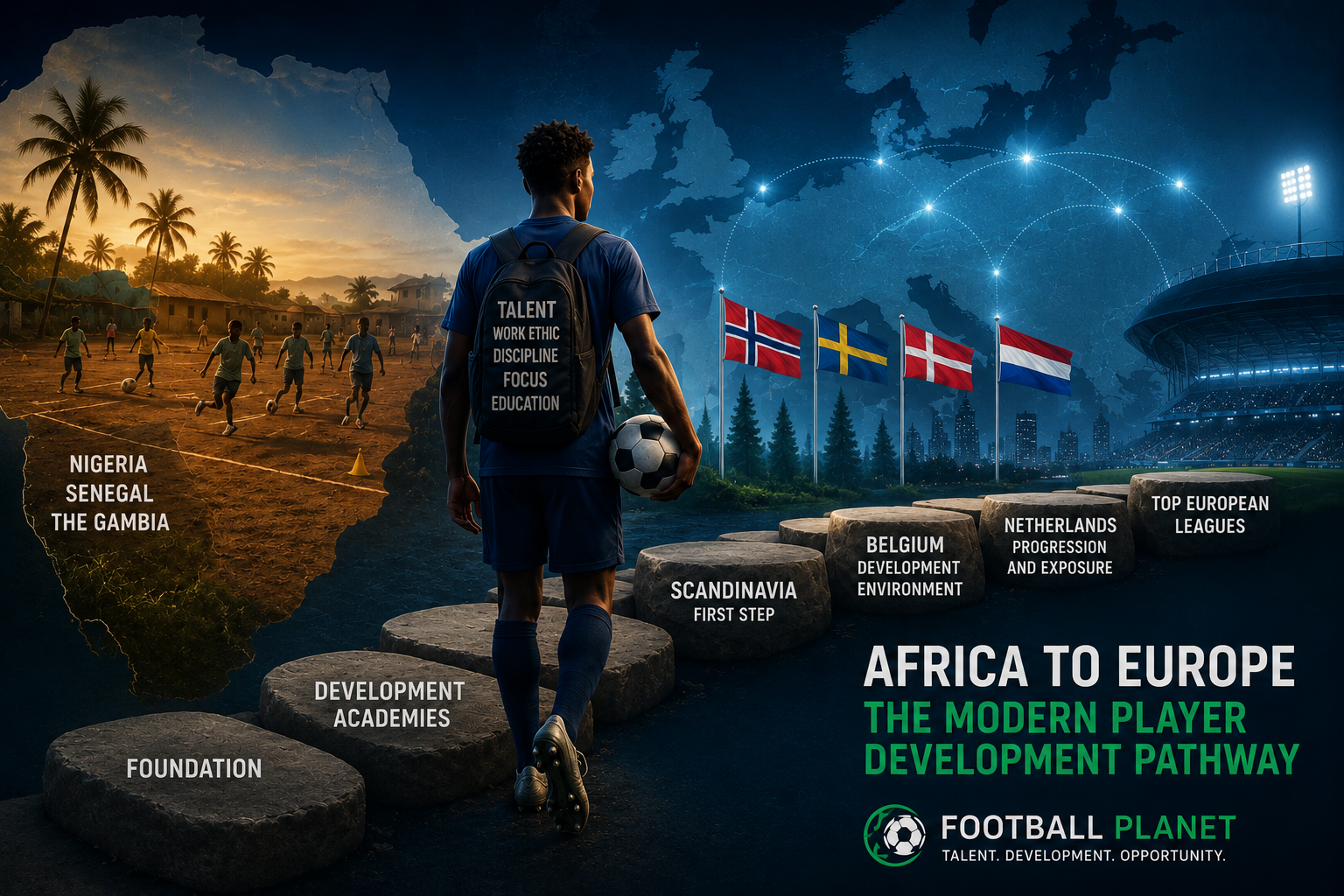
A Football Planet Player Development Pathways Series
Introduction:
This article marks the beginning of Football Planet's new Player Development Pathways series. Throughout this series, we will explore how talented footballers progress through different football environments, examining the systems, opportunities and decisions that shape successful professional careers. Rather than focusing only on individual players, the series will analyse the wider development pathways that connect emerging football markets with professional football across Europe. Understanding these pathways is becoming increasingly important for players, coaches, academies, scouts and clubs seeking sustainable long-term development.
Why West Africa Continues to Produce Elite Talent
Countries such as Nigeria, Senegal and The Gambia continue to produce technically gifted, athletic and highly competitive footballers. Although each country has its own football culture, they share several important characteristics:
1.Strong football passion from an early age.
2.Extensive grassroots participation.
3.Growing network of football academies.
4.Increasing international scouting activity.
5.Players with high motivation to pursue professional careers abroad.
Talent, however, represents only the beginning of the journey. Without structured development, quality coaching, competitive environments and appropriate career planning, even exceptional players may struggle to reach their potential.
Development Before Exposure
One of the biggest misconceptions in modern football is that exposure alone creates opportunities. In reality, sustainable careers are built through continuous development. Young players benefit from:
- Technical refinement.
- Tactical education.
- Physical development.
- Psychological resilience.
- Professional habits.
- Consistent competitive experience.
Scouting should therefore identify not only current ability, but also future development potential.
Why Scandinavia Has Become an Important First Step
Over the past decade, Scandinavian football has become an attractive destination for emerging African talent. Countries such as Norway, Sweden and Denmark provide environments that combine:
- High coaching standards.
- Organised player development.
- Competitive first-team opportunities.
- Financial stability.
- Strong visibility to larger European leagues.
Rather than representing the final destination, Scandinavian football often serves as an important bridge towards higher-level competitions.
Belgium and the Netherlands: Development Leagues
Belgium and the Netherlands have established reputations as two of Europe's strongest player development environments. Their football cultures encourage:
- Technical football.
- Tactical intelligence.
- Opportunities for young players.
- Progressive coaching methodologies.
- Strong transfer networks across Europe.
Many players use these leagues as stepping stones before progressing to Europe's biggest competitions. Development remains the priority, with long-term progression often valued above immediate results.
Building Long-Term Player Value
Successful player development is not based on a single transfer. It is a structured process that combines:
- Talent identification.
- Individual development planning.
- Match exposure.
- Performance analysis.
- Professional support.
- Strategic career decisions.
When these elements work together, players maximise both their sporting potential and their long-term market value.
The Football Planet Perspective
At Football Planet, we believe that modern football development should be understood as a connected ecosystem rather than isolated events. Scouting, coaching, performance analysis and long-term planning all contribute to creating successful professional pathways. Understanding how these elements interact allows clubs, academies and football professionals to make better decisions while providing players with environments that maximise their potential.
Conclusion
Every successful football career follows its own unique journey. Yet behind most successful pathways lies a combination of preparation, opportunity, development and informed decision-making. Understanding these pathways helps everyone involved in football—from players and coaches to scouts, clubs and investors—create environments where talent can grow sustainably. This article is the first chapter in Football Planet's Player Development Pathways series, where we will continue exploring the football ecosystems, development models and strategic decisions that shape the modern game.
Coming Next in This Series
- Why Scandinavia Has Become the Perfect First Step for African Talent
- Belgium and the Netherlands: Europe's Development Leagues
- Nigeria, Senegal and The Gambia: Three Different Talent Development Models
- How European Clubs Build Long-Term Player Value Through Strategic Development